
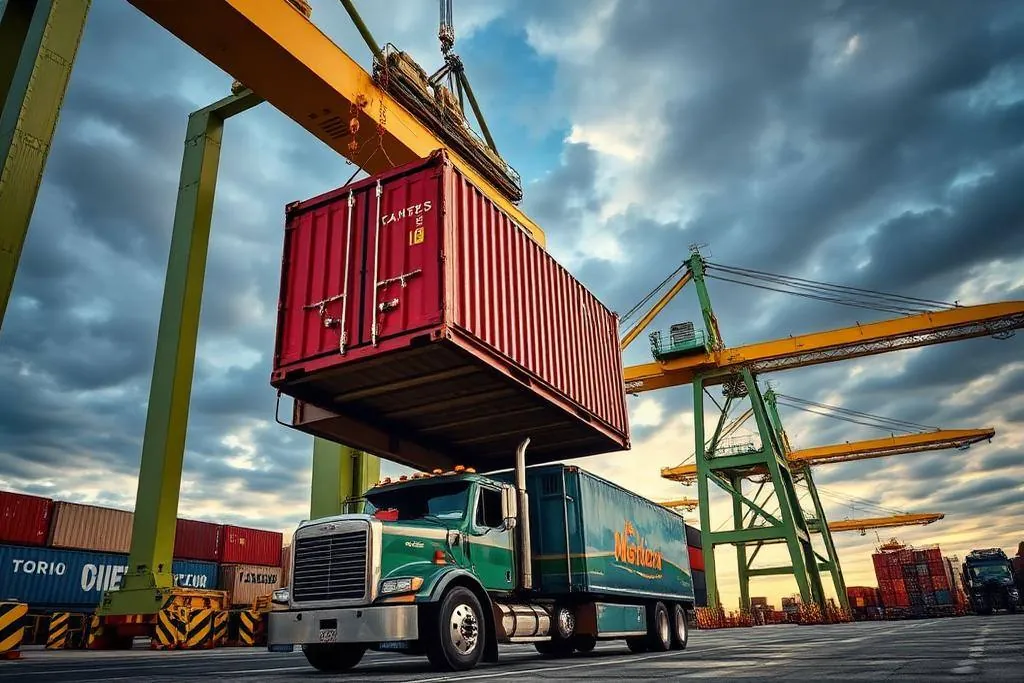
There's a moment, if you stand near the terminals in Norfolk on the right afternoon, when you can feel the market in your chest before you ever see a number. Cranes swinging. Chassis rolling. A line of trucks that moves faster than it has any right to. For most of the last three years, the freight world talked about the West Coast and the big Northeast gateways and treated Virginia like the quiet kid in the back of the class.
That's over. In 2026, the Port of Virginia has been having one of the loudest years in its history — and if you move containers through the East Coast, understanding why is worth real money.
We haul freight out of these terminals every single day, so consider this your on-the-ground read: what's actually happening at the port, what's driving it, and the moves shippers are making right now to stay ahead of it.
The 2026 freight market, in plain English
First, the big picture — because Norfolk doesn't operate in a vacuum.
After one of the longest freight downturns in modern memory, the truckload market flipped hard in 2026. Spot rates climbed to levels the industry hadn't seen since the pandemic-era boom, and for the first time in years, carriers — not shippers — held the leverage.
Here's the part a lot of coverage gets wrong: this recovery isn't being driven by a demand explosion. It's being driven by supply leaving the market. Years of low rates pushed thousands of small carriers out of business. Stricter safety and licensing enforcement pulled tens of thousands more trucks off the road. Equipment got expensive, insurance got worse, and the drivers who left didn't all come back.
Why does that distinction matter to you? Because supply-driven cycles last longer than demand-driven ones. Capacity doesn't snap back overnight. That's why rate strength has held even when volumes have wobbled — and why the smart planning horizon isn't "next quarter," it's the next several.
Why the Port of Virginia is quietly winning
Plenty of ports had a busy year. What makes Norfolk different is that its strengths are structural — the kind that don't disappear when the market cools. Four of them stand out.
1. The deepest channel on the East Coast
The Port of Virginia now runs the deepest and widest commercial shipping channels on the U.S. East Coast — 55 feet deep, with two-way traffic that lets ultra-large container ships pass each other coming and going. Translation: the biggest vessels afloat can call Norfolk fully loaded, at any tide, without waiting in line. When an ocean carrier is deciding where to send a 16,000-TEU ship, "no tidal restrictions" is a serious selling point.
2. Room to handle the mega-ships — several at once
A round of berth and crane investment took the port from two ultra-large-vessel berths to four, backed by a fleet of modern ship-to-shore cranes. That means Norfolk can discharge multiple mega-ships simultaneously instead of forcing them to queue. For cargo owners, that's the difference between your box coming off on schedule and your box sitting on the water waiting for a berth.
3. Two railroads, real competition
This is the one most shippers underrate. The Port of Virginia is the East Coast's leading rail port, moving roughly a third of its cargo by rail — well above its peers. Both Norfolk Southern and CSX serve the terminals, and that head-to-head competition is a quiet gift to anyone routing inland freight: two railroads fighting for your business tends to be better for your rate and your service than one railroad that doesn't have to.
4. A chassis pool that actually works
Ask any drayage operator on the West Coast or in the Northeast about chassis and watch their face change. Shortages, split fees, and mismatched equipment quietly eat margins and blow up delivery windows during peak. Norfolk runs one of the youngest, best-maintained chassis pools in the country, with near-total in-service availability. It's not glamorous. It's also exactly the kind of unglamorous reliability that keeps your freight moving when everyone else's is stuck.
Put those four together and you get a port that's built for exactly the environment we're in: bigger ships, tighter capacity, and shippers who are tired of surprises.
The plot twist: a peak season that arrived early
Now for the news — because 2026's peak season didn't follow the script.
A wave of tariff changes pushed importers to pull cargo forward, rushing shipments in during the first half of the year to get ahead of new duties. The result was a front-loaded, record-setting summer peak that landed at ports across the country — Norfolk very much included — earlier than the usual fall rush.
The flip side of borrowing demand from the future is that the future has less of it. As we move deeper into late 2026, import volumes are expected to ease off those record highs. Not collapse — ease. Nearly two million TEUs a month across major ports is still a healthy market by any normal standard; it just looks softer next to a summer that was running hot on borrowed time.
Two more variables worth watching:
- Fuel got volatile again. Diesel fell through early summer, then reversed sharply as geopolitical tension around key shipping lanes tightened supply. If your fuel surcharge is built on last quarter's average, it's probably lagging reality — a small detail that adds up fast across a lot of loads.
- Rail is pulling freight off the highway. With truckload rates and fuel both elevated, more shippers are shifting inland moves to intermodal rail. That's boosting demand at Norfolk's rail ramps and rewarding carriers who can move fluidly between the terminal, the ramp, and the final mile.
What smart shippers are doing right now
We watch how the best-run supply chains respond to a market like this. A few patterns stand out.
They're locking in capacity, not chasing spot. When capacity is tight and rates are climbing, the shippers who win aren't the ones hunting the cheapest truck on a load board every morning. They're the ones with committed relationships and dependable carriers who answer the phone during peak.
They're treating drayage as strategy, not a commodity. The gap between a great drayage partner and a mediocre one shows up in demurrage bills, per-diem charges, and missed appointment windows — costs that dwarf the rate difference. In a busy port, reliability is the rate.
They're planning around the surge pattern. Fewer, bigger ships mean cargo lands in waves, not a steady trickle. The operators who staff and schedule around vessel arrivals — instead of a flat weekly calendar — keep boxes moving and avoid the storage charges that pile up when everyone hits the gate at once.
They're getting local. National networks are great until something goes sideways at a specific terminal, on a specific chassis, in a specific appointment window. That's when knowing the port cold — the gates, the reservation systems, the rhythms — turns a would-be problem into a non-event.
Where DPN Logistics fits
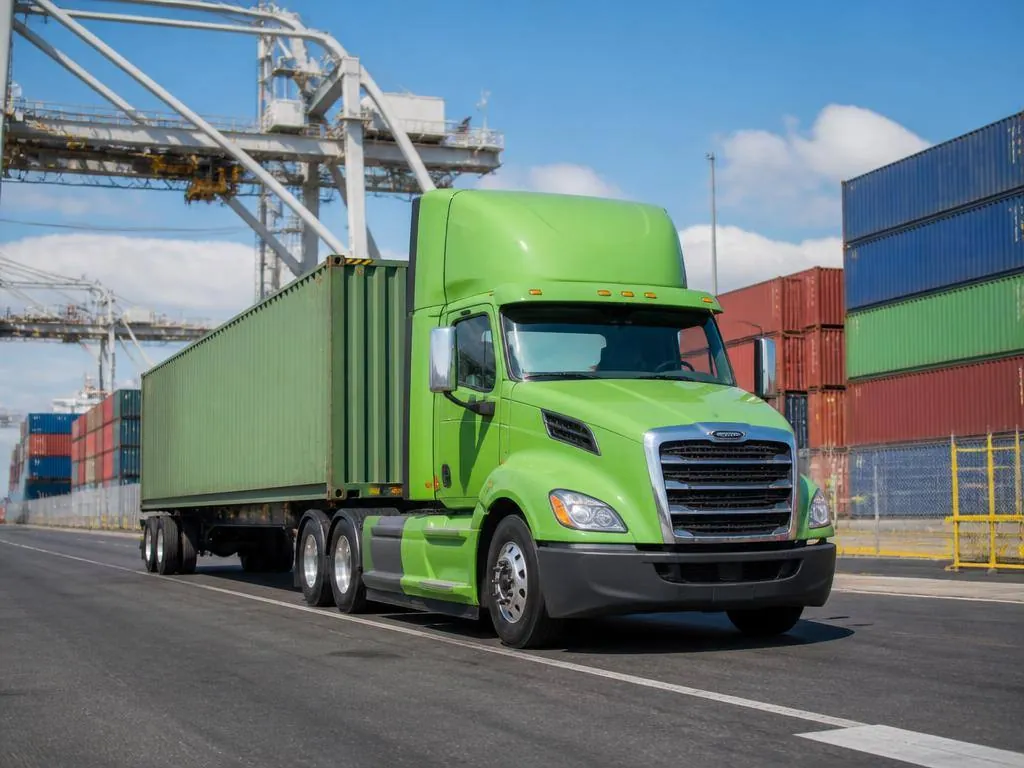
We're not a call center three time zones away trying to Google the Port of Virginia. We're based right here in Hampton Roads, and Norfolk drayage is what we do. We run the terminals — NIT, VIG, and across the port — every day, we know the chassis pool and the appointment systems the way you know your own driveway, and we build our operation around the surge patterns that trip up carriers who only visit occasionally.
In a market this tight, that local fluency is the whole ballgame. When your container hits the water headed for Virginia, you want a partner who already knows exactly how it's going to get from the ship to your dock — and who's picked up the phone before you had to call.
Frequently asked questions
Is the Port of Virginia busy in 2026?
Yes. Norfolk has processed near-record cargo volumes through 2026, powered by an early, tariff-driven peak season and long-term investments that let the port handle bigger ships and more cargo. Volumes are expected to ease from summer highs as the year closes, but remain healthy.
Why are freight rates higher in 2026?
Truckload rates rose primarily because trucking capacity contracted — carriers exited during the downturn and stricter enforcement removed more trucks — rather than because freight demand surged. Supply-driven cycles tend to keep rates elevated longer.
What makes the Port of Virginia a good option for shippers?
The deepest channels on the East Coast, four ultra-large-vessel berths, competition between two railroads, and one of the best chassis pools in the country. Together they add up to reliable, high-capacity service — an advantage during tight, high-volume markets.
What is drayage, and why does the partner I choose matter?
Drayage is the short-haul trucking that moves containers between the port, rail ramps, and nearby warehouses. In a busy port, a strong drayage partner protects you from demurrage, per-diem, and missed-appointment costs that can far exceed any difference in the base rate.
What should shippers do heading into late 2026?
Secure committed capacity instead of relying on the spot market, keep fuel surcharges current with fast-moving diesel prices, plan around vessel-arrival surges, and lean on carriers with deep local knowledge of the Port of Virginia.
Move your Port of Virginia freight with people who live here
The market rewards preparation, and the ports reward local expertise. If you're moving containers through Norfolk — or thinking about shifting volume to the East Coast's most modern gateway — let's talk about how DPN Logistics can keep your freight moving, on schedule, all the way to the dock.